Electrical systems are very important in every home and business. They power lights, appliances, and many things we use every day. When you understand how they work, it helps you stay safe and make better choices if something goes wrong.
At 24emergency Electrician Ltd, we often see that many homeowners and business owners are not sure how light switch wiring works, especially when it comes to electrical wiring for light switches in London. In this guide, we explain everything in a clear and simple way so you can understand your electrical system better.
What Is Electrical Wiring for Light Switches?
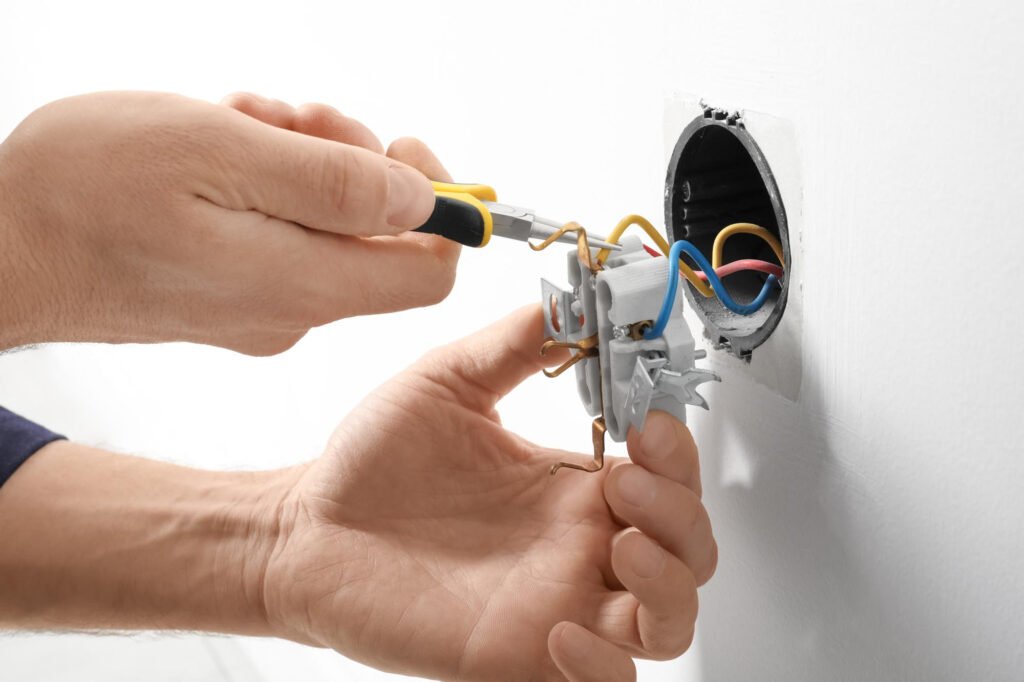
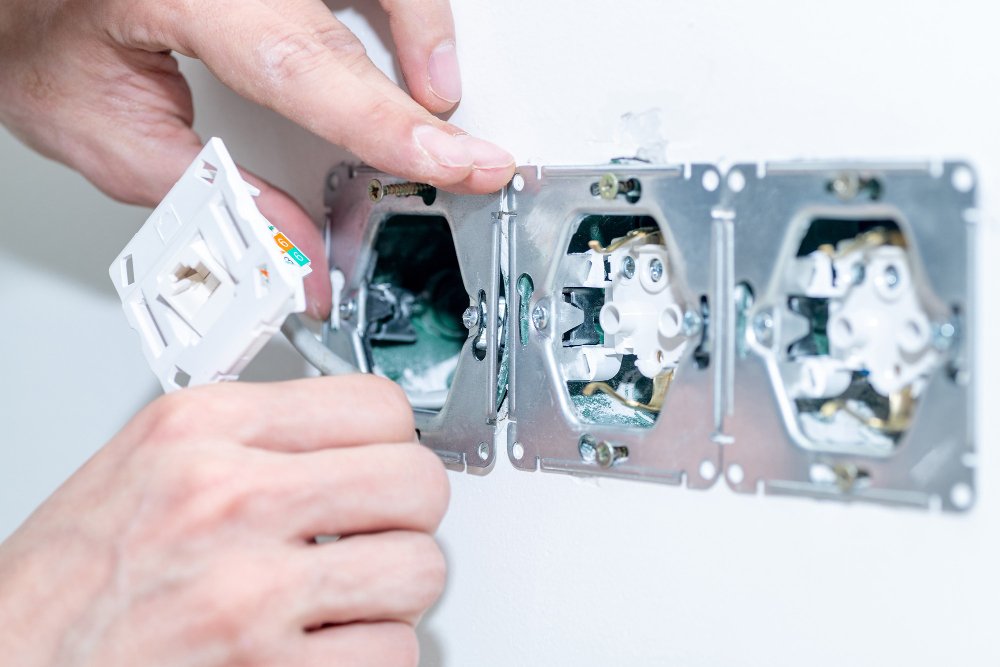
Electrical wiring for light switches refers to the system of cables, circuits, and connections that control lighting within a property. A light switch acts as a control point that either allows or interrupts the flow of electricity to a light fixture.
In simple terms, when you flip a switch:
- The circuit is completed, allowing electricity to flow → light turns ON
- The circuit is broken, stopping electricity → light turns OFF
This basic function is essential in both residential and commercial electrical systems.
Key Components of Light Switch Wiring
To fully understand how light switches work, it’s important to know the main components involved:
1. Live Wire (Line)
This wire carries electricity from the power source to the switch.
2. Load Wire
This wire connects the switch to the light fixture.
3. Neutral Wire
Completes the circuit by returning electricity to the source.
4. Earth Wire
A safety feature that prevents electric shocks by directing excess electricity safely to the ground.
5. Switch Mechanism
The physical component you operate, which controls the electrical flow.
Types of Light Switch Wiring Systems
Different properties use different types of wiring systems depending on layout and requirements.
1. Single-Pole Switch
- Controls one light from one location
- Most common in homes
2. Two-Way Switch
- Controls one light from two locations (e.g., staircases)
3. Intermediate Switch
- Used when controlling lights from three or more locations
4. Smart Switch Wiring
- Integrated with smart home systems
- Allows remote control via apps or voice commands
Each system has its own wiring configuration and requires professional handling to ensure safety and compliance.
How Electrical Wiring for Light Switches Works Step-by-Step
Understanding the process can help you visualise how electricity flows through your system.
Step 1: Power Supply
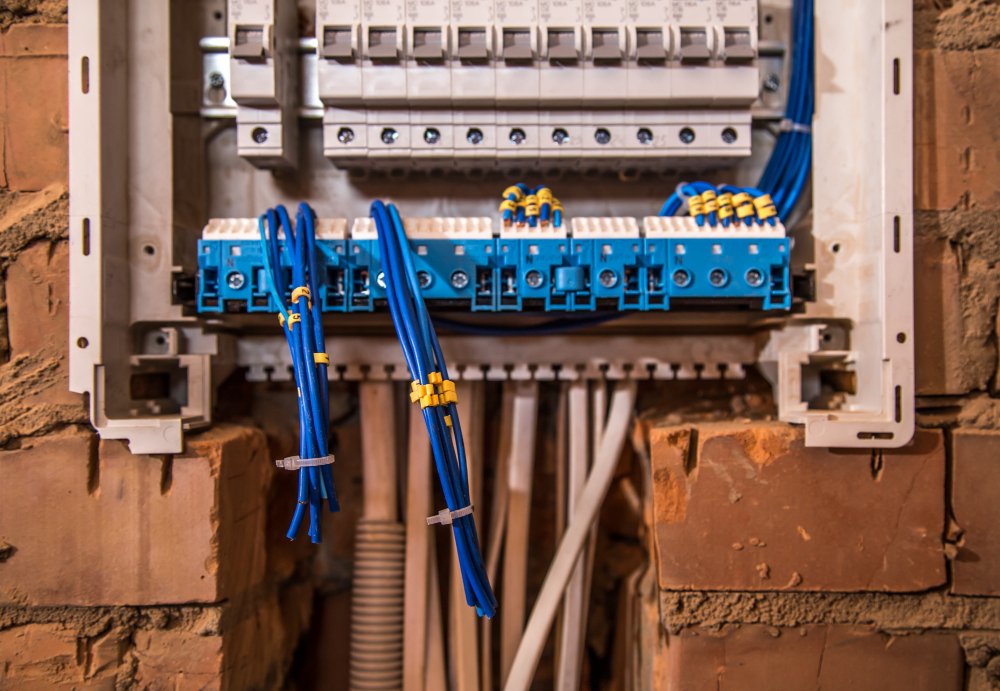
Electricity enters your property through the main distribution board (consumer unit).
Step 2: Circuit Distribution
Power is directed through circuits to different areas, including lighting circuits.
Step 3: Switch Control
The switch interrupts or completes the circuit depending on its position.
Step 4: Light Activation
When the circuit is complete, electricity flows to the light fitting, turning it on.
Step 5: Safety Regulation
Circuit breakers and fuses protect the system from overloads and faults.
This process highlights why proper installation is critical—any wiring fault can lead to serious safety risks.
Common Issues in Light Switch Wiring
Faulty wiring can cause a range of problems. Some of the most common include:
- Flickering lights
- Switches not responding
- Burning smells from switches
- Tripping circuit breakers
- Loose or damaged wiring
When these issues occur, it is essential to seek professional help rather than attempting DIY repairs.
Importance of Professional Installation
Working with electricity is not something to take lightly. Incorrect wiring can lead to:
- Electric shocks
- Fire hazards
- Equipment damage
- Non-compliance with UK regulations
That’s why we always recommend hiring qualified electricians. Proper electrical wiring for light switches ensures safety, efficiency, and long-term reliability.
UK Regulations and Safety Standards
In the UK, all electrical work must comply with BS 7671 Wiring Regulations. These standards ensure that installations are safe and fit for purpose.
Key compliance factors include:
- Proper earthing and bonding
- Correct cable sizing
- Safe installation practices
- Certification and inspection
For properties in London, compliance is especially important due to strict building regulations and safety checks.
Electrical Wiring for Light Switches in London Properties
London properties often present unique challenges due to a mix of old and modern buildings. From Victorian homes to new developments, wiring systems can vary significantly.
When dealing with electrical wiring for light switches in London, we frequently encounter:
- Outdated wiring systems
- Limited access within walls
- Complex circuit layouts
- High safety requirements
At 24emergency Electrician Ltd, we specialise in handling these challenges efficiently, ensuring all work meets current standards while preserving the integrity of your property.
Tools and Materials Used by Electricians
Professional electricians use specialised tools to ensure precise and safe installations:
- Voltage testers
- Wire strippers
- Insulated screwdrivers
- Multimeters
- Cable detectors
Using the right tools is essential for accurate diagnostics and safe repairs.
When Should You Upgrade Your Light Switch Wiring?
There are several situations where upgrading your wiring is necessary:
- Renovations or property extensions
- Installing smart lighting systems
- Frequent electrical faults
- Outdated fuse boards
- Failing safety inspections
Upgrading ensures your system can handle modern electrical demands while improving safety.
Benefits of Modern Light Switch Wiring
Modern electrical systems offer several advantages:
- Improved energy efficiency
- Enhanced safety features
- Compatibility with smart technology
- Reduced maintenance issues
- Increased property value
Investing in updated wiring is a smart long-term decision for both homeowners and businesses.
Safety Tips for Homeowners
While electrical work should always be handled by professionals, here are some general safety tips:
- Never touch exposed wires
- Avoid overloading circuits
- Replace damaged switches immediately
- Schedule regular electrical inspections
- Turn off the power before any minor checks
These precautions can help reduce risks and keep your property safe.
Why Choose 24emergency Electrician Ltd?
At 24emergency Electrician Ltd, we take pride in delivering reliable and professional electrical services across London. Our team of qualified electricians ensures:
- Fast response times
- 24/7 emergency services
- Full compliance with UK regulations
- High-quality workmanship
- Transparent pricing
We understand the importance of safe and efficient electrical systems, and we are committed to providing the best solutions for our clients.
Call Us Today for Expert Electrical Services
If you are experiencing issues with your light switches or planning an upgrade, don’t take risks with DIY solutions. Our experienced electricians are ready to help.
📞 Call us now on 07378 250371 for fast, reliable, and professional service across London.
Conclusion
Understanding how light switch wiring works helps you better understand your electrical system and spot problems early. From simple circuits to modern smart systems, proper installation and regular maintenance are important for safety and good performance.
If you need expert help with electrical wiring for light switches in London, or are searching for electrical wiring for light switches near London, our team at 24emergency Electrician Ltd is ready to provide trusted, professional service whenever you need it.