Light Switch Installation and Wiring – Do’s and Don’ts for Homeowners

Installing a light switch in your UK home is important. It keeps your electrical system safe and secure.

A correctly installed switch is not just convenient. It also stops potential dangers. This article will show you how to do it right, covering the key wiring rules for a light switch.

By the end, you’ll know how to do it yourself. Your home will stay safe and secure.

Key Takeaways

  • Understand the basics of light switch installation to ensure safety.
  • Follow the do’s and don’ts to avoid potential electrical hazards.
  • Learn the essential steps for a successful wiring installation.
  • Gain confidence in tackling the task with the knowledge provided.
  • Ensure your home remains safe and secure with a well-installed switch.

Understanding the Basics of Electrical Wiring for Light Switches

Before we start wiring a light switch, we need to know the basics of electrical wiring. This knowledge helps us install the switch safely and confidently.

What is Electrical Wiring?

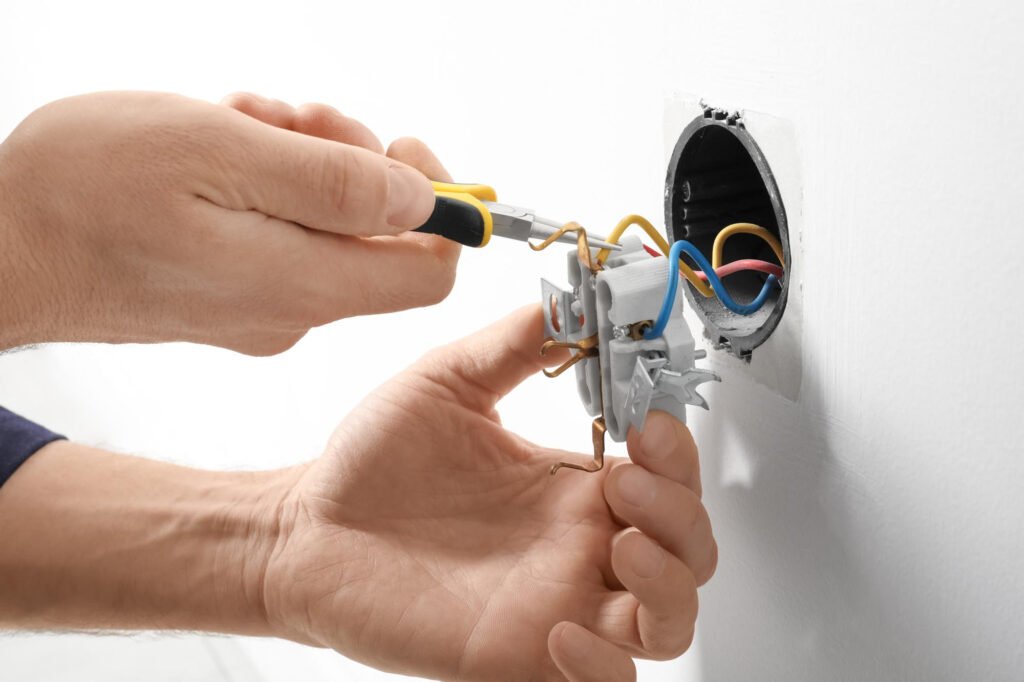
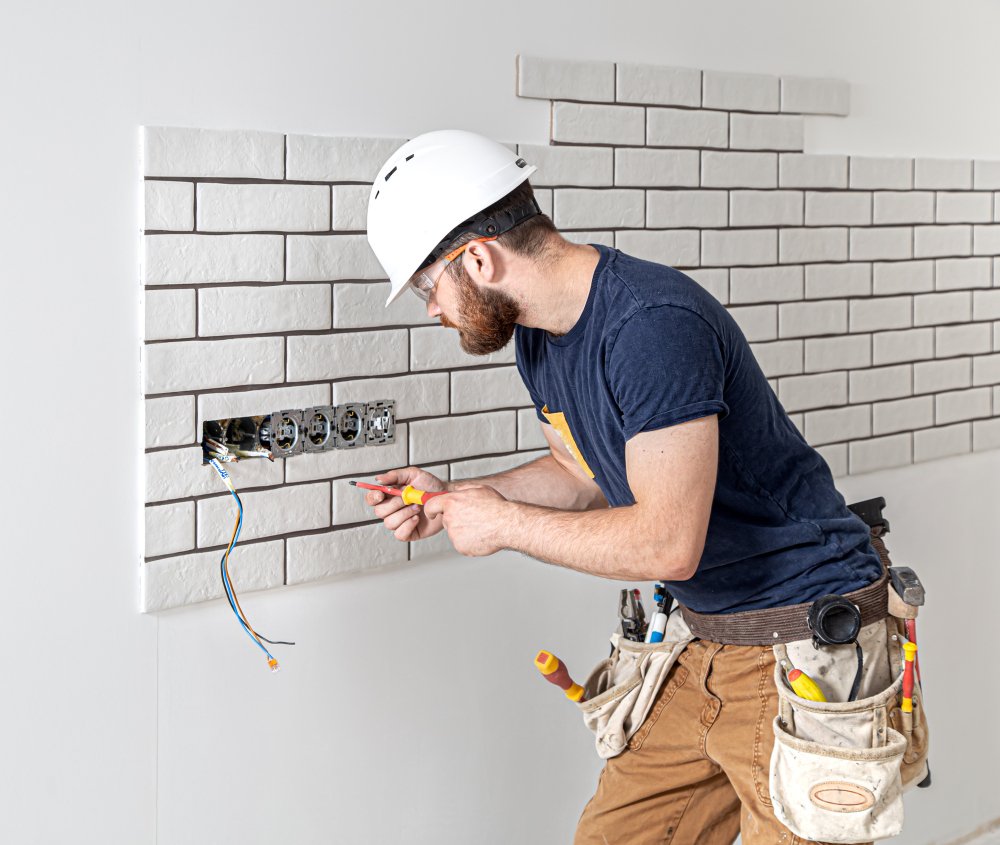
Electrical wiring is the system of wires that carries power in buildings. When installing a light switch, we connect it to the circuit that controls the lights. We must understand the different wires, like live, neutral, and earth wires, and their roles in electrical switches wiring.

Important Tools You’ll Need

To wire a light switch, we need some key tools. These include:

  • Wire strippers to remove insulation from wires
  • Pliers for gripping and bending wires
  • Screwdrivers for securing wires to the switch and other parts
  • A voltage tester to check if the circuit is safe

Having the right tools is essential for a safe and efficient installation.

Safety Precautions to Take

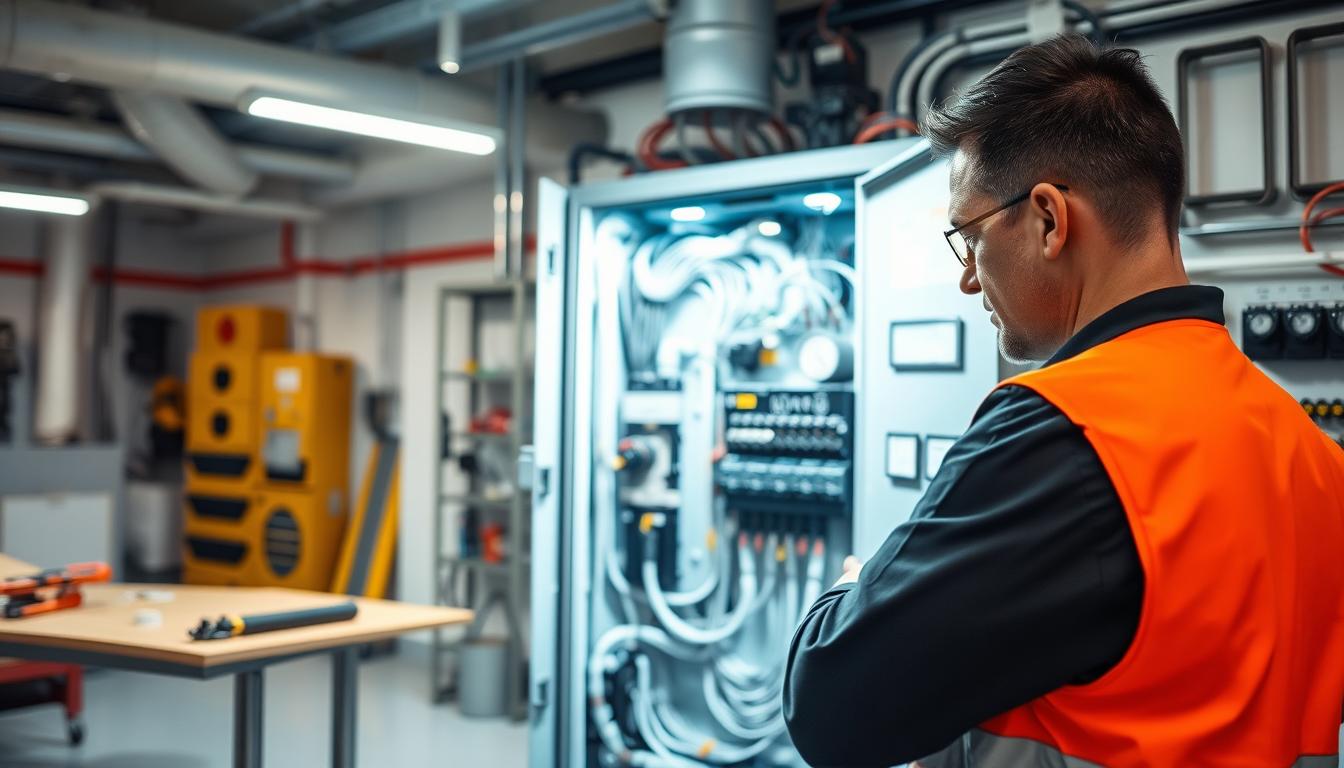
Safety is crucial when working with electrical systems. To avoid shocks and injuries, we must:

  1. Switch off the power supply at the consumer unit or fuse box.
  2. Use a voltage tester to make sure the circuit is dead.
  3. Wear protective gear, like gloves and safety glasses.
  4. Keep the work area well-lit and clear of clutter.

By following these safety steps and understanding electrical wiring, we can install a light switch safely and successfully.

The Do’s of Light Switch Wiring

To get a light switch working right, knowing the do’s of wiring is key. It’s about making sure your lights are safe and work well.

Selecting the Appropriate Switch

Picking the right switch is the first step. Think about the lights you’re controlling and how many switches you need. For example, if you have many lights, you might need a switch that can handle more or a dimmer switch.

Also, make sure the switch fits with your electrical system. Check the voltage and current ratings match your system.

Correctly Connecting Wires

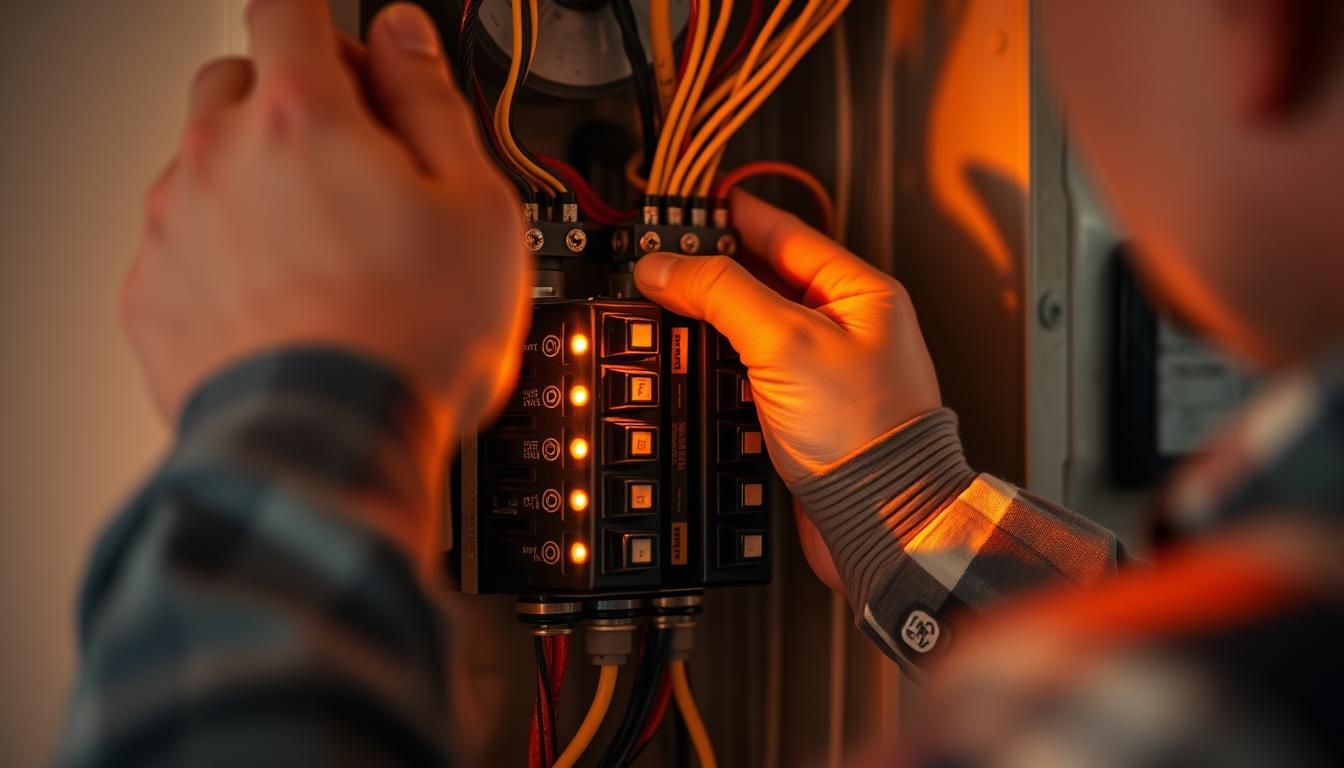
Connecting wires right is crucial for your switch to work safely and well. Use an electrical wiring for light switch to get it right. You’ll connect the live wire to the switch’s live terminal, the neutral wire to the neutral terminal, and the earth wire to the earth terminal.

Make sure all connections are tight. Loose wires can overheat and cause fires. Always use the right wiring and follow the switch’s instructions.

Testing Your Connections

After wiring, test your connections. Turn on the power and check the switch works. If unsure, get a professional to help.

Testing ensures your switch is working right and spots any problems early. By following these steps, you’ll have a safe and working light switch.

The Don’ts of Light Switch Wiring

When dealing with light switch wiring, it’s important to know what not to do. In the UK, avoiding common mistakes is key to a safe electrical system. A good switch wiring guide can help you avoid these errors.

Circuit Overloading

Don’t overload circuits, as it can cause fires and other dangers. Proper wiring for light switches is crucial. Knowing your circuit’s limit helps keep your installation safe.

As a trusted name for electrical emergencies across the UK, we’re here when you need fast, reliable, and expert help — whether you’re upgrading light switches, fixing faulty wiring, or dealing with unexpected electrical issues. Let us handle the hard wiring so you can keep your home safe, efficient, and up to code.

Compliance with Local Regulations

At 24 Emergency Electrical Services, we know that even something as routine as electrical wiring for light switches can pose serious risks if not handled correctly. That’s why we always recommend calling in a qualified professional — especially when safety and compliance are on the line.

If you need help with electrical wiring, call us on 07378250371 or email M.babajani54@gmail.com. Visit our website to learn more about our services. We’re here to assist with your electrical needs.

FAQ

What are the essential tools required for light switch installation and wiring?

You’ll need wire strippers, pliers, and screwdrivers for a smooth installation.

How do I ensure safety while working with electrical wiring for light switches?

Always switch off the power and wear protective gear to avoid shocks and injuries.

What type of switch should I choose for my lighting needs?

Consider your lighting type and switch needs. Choose a switch that fits your requirements.

How do I properly connect wires during light switch wiring?

Use a wiring diagram for light switch. Make sure all connections are secure and working right.

What are the consequences of overloading circuits during light switch installation?

Overloading circuits can cause electrical fires and hazards. Avoid it to keep your home safe.

Are there any local regulations I need to comply with when installing a light switch in the United Kingdom?

Yes, follow local regulations and standards. This ensures your installation is safe and meets the required standards.

How can I test my connections to ensure they are secure and functioning correctly?

Test your connections after installation. This confirms they are working as expected.

What is the significance of understanding electrical wiring for light switches?

Knowing electrical wiring is key for a safe electrical system. It helps prevent electrical hazards.
Avoid Penalties with Timely Electrical Remedial Works in the UK

In the UK, keeping your electrical system updated is key for safety and efficiency. Upgrading your fusebox is a crucial step, mainly when remedial works are needed to meet today’s electrical standards.

A reliable fusebox is vital in the UK to avoid electrical dangers. A certified electrician can check your current setup. They will suggest the refurbishment projects needed to update your system.

Key Takeaways

  • Enhanced electrical safety through upgraded fuseboxes
  • Compliance with modern UK electrical standards for remedial works
  • Expert assessment by certified electricians
  • Identification of necessary refurbishment projects
  • Prevention of electrical hazards

Understanding the Importance of a Reliable Fusebox

A fusebox is key to home electrical safety. It acts as the main defence against electrical overloads and faults. It’s called a consumer unit or fusebox.

What is a Fusebox?

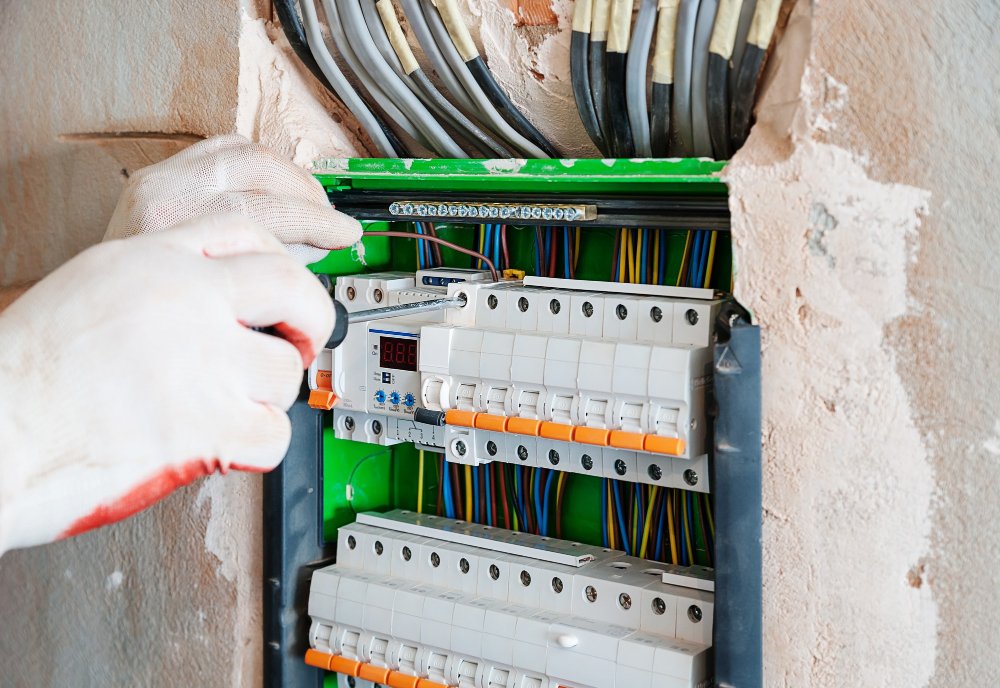
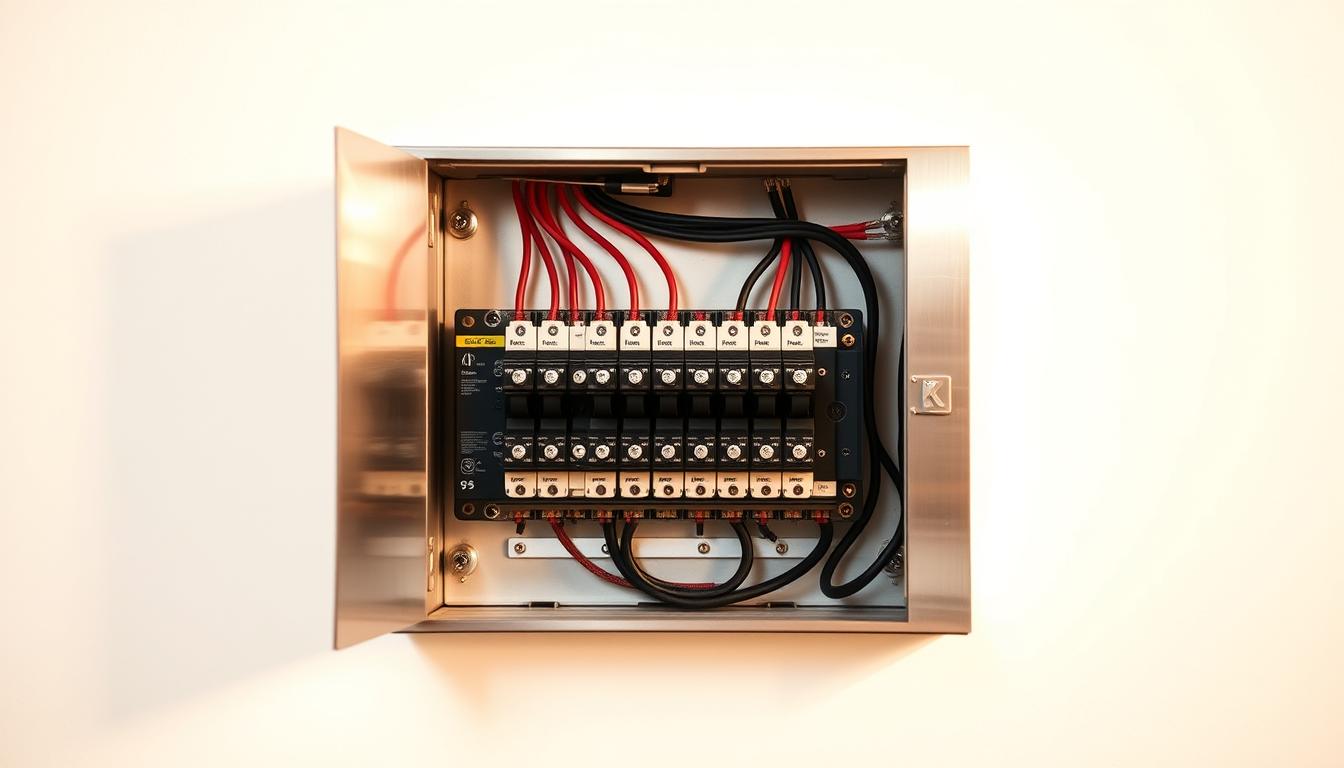
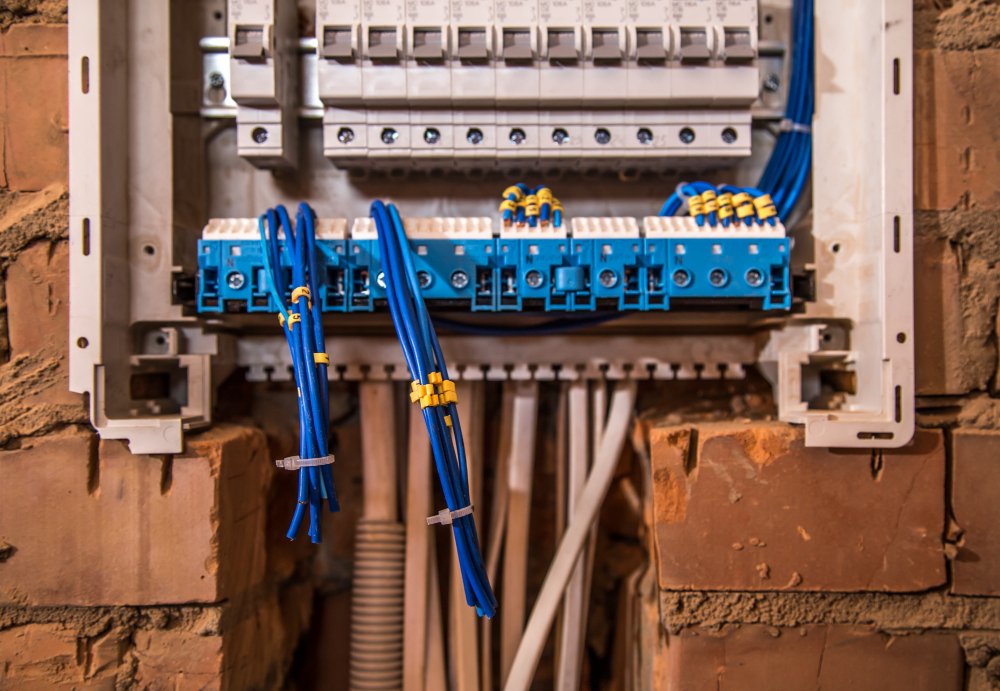
A fusebox is the heart of your home’s electrical system. It sends electricity around the house and keeps you safe from electrical dangers. Inside, it has fuses or circuit breakers that stop the power if there’s too much or a fault. This stops damage and fires.

The Role of a Fusebox in Home Safety

A good fusebox is essential for home safety. It stops fires by cutting off power when it spots an overload or fault. As one expert says,

“A well-maintained fusebox is your first line of defence against electrical hazards.”

This shows why your fusebox must work well.

If your fusebox is old or damaged, you might need repair services or a new one for renovation tasks. This boosts safety and makes your electrical system better.

Signs Your Fusebox Needs Replacement

Look out for signs your fusebox needs a new one. These include often tripping circuit breakers, smells of burning from the fusebox, or visible damage. If you see these, get a certified electrician to check and fix or replace it.

Knowing how important a good fusebox is and keeping it in check can greatly improve your home’s electrical safety.

Benefits of Upgrading Your Fusebox

Getting a new fusebox can change how your home’s electricity works. It makes your electrical system safer and more efficient.

Enhanced Safety Features

New fuseboxes have advanced safety features to stop electrical accidents. They offer better circuit protection and fault detection. This means your electrical system works well without problems.

Increased Energy Efficiency

Modern fuseboxes help use energy better, making your system more efficient. This cuts down on energy waste and lowers your bills. Upgrading means your electrical system meets your home’s needs better.

Compliance with Modern Standards

Upgrading your fusebox makes sure it meets today’s electrical rules. This might mean fixing any electrical problems. It gives you peace of mind, knowing your home is safe and follows the rules.

Benefits Description Advantages
Enhanced Safety Improved circuit protection and fault detection Reduced risk of electrical accidents
Increased Efficiency Optimized energy distribution Lower utility bills
Compliance Adherence to modern electrical standards Peace of mind knowing your home is safe and compliant

Why Choose a Certified Electrician for Your Fusebox Replacement?

Choosing a certified electrician for fusebox replacement or remedial works is crucial. They ensure the work is done safely and efficiently. Their expertise is key to a successful replacement.

Expertise and Professionalism

A certified electrician brings professionalism to the job. They have the skills to handle complex electrical systems. This means your fusebox replacement will be done right.

Quality Assurance and Compliance

Going for a certified electrician means you get quality assurance. They make sure the work meets all electrical standards. This gives you peace of mind.

In the UK, 24 Emergency Electrical Services offers expert fusebox replacement. We are part of a broader effort to improve and restore. For more details, call 07378 250371 or email sales@24emergencyelectricalservice.co.uk.

FAQ

Q: What are the signs that my fusebox needs to be replaced?

A: If your fusebox trips often, smells like burning, or shows wear, it’s time to think about replacing it. This could be part of your home renovation plans.

Q: Why is it important to upgrade my fusebox with a certified electrician?

A: Getting a certified electrician to upgrade your fusebox ensures top-quality work. They bring expertise and experience for a safe, efficient replacement. This also meets all electrical standards.

Q: What are the benefits of upgrading my fusebox?

A: Upgrading your fusebox offers many advantages. It improves your electrical system’s performance, adds safety features, and boosts energy efficiency. This can also cut down on waste and lower your bills.

Q: How can a certified electrician help with my fusebox upgrade?

A: A certified electrician can check your electrical setup and suggest updates. They ensure your system meets modern standards. This includes corrective actions and restoration projects.

Q: What should I look for when choosing an electrician for my fusebox replacement?

A: When picking an electrician, look for someone certified with the right skills and experience. They should offer quality assurance and be part of bigger improvement projects.

Common Mistakes in Electrical Wiring for Light Switches—and How to Avoid Them

Many homeowners and DIY fans in the UK make big mistakes when installing light switches. These errors can cause safety risks and expensive fixes.

We’ll look at the most common electrical wiring for light switches mistakes. We’ll also show you how to steer clear of them. This way, you can install a light switch safely and effectively.

Knowing the dangers and taking the right steps can help you get a job well done. You’ll end up with a light switch that looks great and works perfectly.

Key Takeaways

  • Understand the common mistakes made during light switch installation
  • Learn how to avoid costly repairs and safety hazards
  • Discover the importance of proper wiring a light switch
  • Gain confidence in your ability to complete a successful installation
  • Ensure a safe and professional-looking result

Understanding the Basics of Electrical Wiring

Electrical wiring is key to a safe and working lighting system. Before we start installing light switches, we need to know the basics of electrical wiring.

Importance of Safety Precautions

When working with electrical systems, safety comes first. Make sure the power is off before you begin. It’s also important to wear the right safety gear, like insulated gloves and safety glasses, to avoid electrical shocks and debris.

Some essential safety steps include:

  • Checking that the circuit is de-energized with a voltage tester
  • Using lockout/tagout procedures to stop accidental power-on
  • Ensuring all connections are tight and meet local electrical standards

Common Tools Needed for Installation

Having the right tools is crucial for a successful DIY light switch wiring project. You’ll need:

  • Wire strippers to remove insulation
  • Needle-nose pliers for handling small objects
  • A voltage tester to check if the circuit is safe

Looking at a light switch wiring diagram can also help a lot. It makes it easier to understand how to connect everything right.

Key Terminology in Electrical Wiring

Knowing the electrical wiring terms is important for following instructions and diagrams. Here are some key terms:

Term Description
Conductor A material that allows the flow of electrical current
Circuit Breaker A device that automatically interrupts an electric circuit when an overload is detected
Grounding A safety measure that involves connecting electrical systems to the earth to prevent shocks

For those doing DIY light switch wiring, knowing these terms can make things a lot easier.

By following electrical wiring tips and understanding the basics, individuals can ensure a safe and successful installation process.

Common Mistakes in Electrical Wiring for Light Switches

Many homeowners make critical errors when wiring light switches. These mistakes can lead to serious safety issues. It’s important to follow electrical wiring best practices and understand electrical safety for light switches.

Incorrect Wiring Configurations

One common mistake is incorrect wiring configurations. This can cause short circuits, electrical shocks, or even fires. It’s crucial to know the wiring diagram for your light switch installation. “A correctly wired light switch is not just about functionality; it’s also about safety,” say electrical safety experts.

Neglecting to Turn Off Power

Not turning off the power before starting work is another big mistake. This can lead to electrical shock or even electrocution. Always switch off the power at the consumer unit or fuse box before starting.

Failing to Use the Correct Wire Gauge

Using the wrong wire gauge is a common error. It can cause overheating, fires, or inefficient electrical supply. The correct wire gauge ensures the wiring can handle the load safely and efficiently. Always check the electrical standards and regulations to find the right wire gauge for your installation.

Overlooking Local Regulations

Ignoring local electrical regulations can have serious consequences. This includes fines, safety hazards, and the need for costly rewiring. It’s vital to know the local building codes and electrical standards to ensure compliance. “Compliance with local regulations is not just a legal requirement; it’s a crucial aspect of electrical safety,” say industry experts.

By knowing these common mistakes and avoiding them, homeowners can ensure their electrical wiring for light switches is safe and efficient. Following electrical wiring best practices and prioritizing electrical safety for light switches are key to a successful installation.

Tips for Successful Electrical Wiring for Light Switches

To ensure a safe and efficient electrical wiring installation for light switches, it’s crucial to pay attention to detail. We recommend verifying all connections to prevent potential electrical hazards.

Verify Connections

Double-checking connections is a critical step in electrical wiring. This simple check can help identify any incorrect wiring configurations or loose connections, which can lead to serious safety issues.

Professional Assistance

For complex electrical wiring tasks or when unsure about wiring techniques for light switches, seeking professional help is advisable. At 24 Emergency Electrical Services, we provide expert guidance and support for all your electrical needs, ensuring compliance with local regulations in the United Kingdom.

For reliable and efficient electrical wiring services, including wiring techniques for light switches, contact us. Our team is committed to delivering high-quality services, ensuring your electrical systems are safe and functional.

FAQ

Q: What are the most common mistakes made during electrical wiring for light switches?

A: Common errors include wrong wiring setups, forgetting to switch off power, and using the wrong wire size. These mistakes can cause safety risks and make electrical systems less efficient.

Q: How can we ensure our electrical wiring is safe and compliant with local regulations?

A: To keep wiring safe and follow local rules, we must stick to best practices. We should double-check our connections and follow all electrical wiring guidelines.

Q: What tools do we need for a successful light switch installation?

A: Essential tools include wire strippers, pliers, and screwdrivers. A voltage tester is also crucial to confirm power is off before starting.

Q: Can we attempt DIY light switch wiring, or should we seek professional help?

A: DIY wiring for light switches is possible, but it’s wise to get professional help if unsure. This ensures our electrical systems are safe and work well.

Q: How do we choose the correct wire gauge for our electrical wiring?

A: Choosing the right wire gauge is crucial. We should consult a professional or a wiring diagram. Consider the wire length and circuit load when making this choice.

Q: What are some key terminologies we should be familiar with when working with electrical wiring?

A: It’s important to know terms like voltage, current, and resistance. Also, understand wiring setups and electrical parts used in light switch installations.

EIC Electrical Inspections: What They Are and Why You Need One

In the United Kingdom, keeping electrical installations safe is key for homes and businesses. We will look into why EIC Electrical Inspections are important and what they cover.

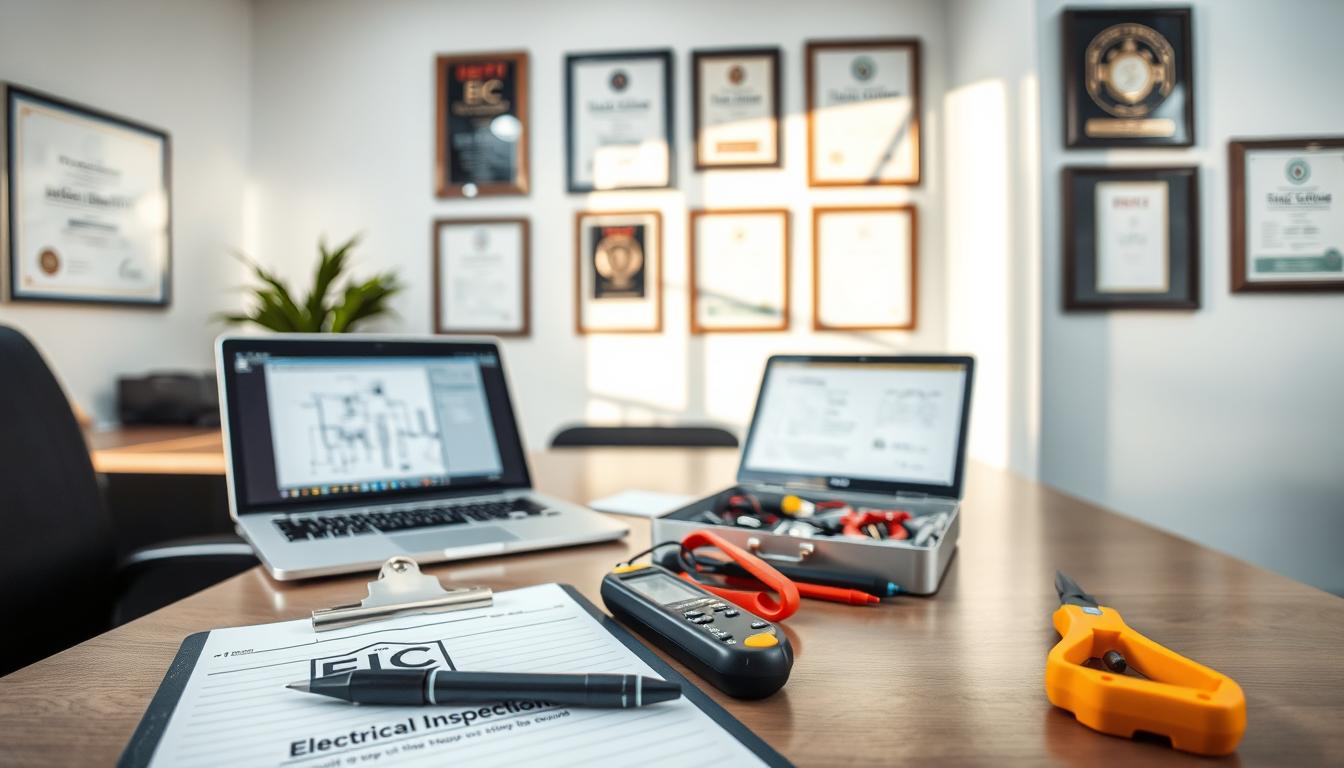
An Electrical Installation Condition Report checks the state of electrical systems. It finds potential dangers and faults. This report is crucial for keeping electrical systems safe and avoiding accidents.

eic electrical inspections​

Knowing what an EIC Electrical Inspection does helps us see its importance. It ensures our safety and the safety of our properties.

Key Takeaways

  • Understanding the purpose of EIC Electrical Inspections is vital for maintaining electrical safety.
  • An Electrical Installation Condition Report highlights potential hazards and defects.
  • EIC Electrical Inspections are crucial for preventing electrical accidents.
  • These inspections are essential for homes and businesses in the UK.
  • A comprehensive evaluation ensures the safety of electrical systems.

What is an EIC Electrical Inspection?

An EIC Electrical Inspection is key to keeping your electrical systems safe and working well. It checks if your electrical setup is safe and running smoothly.

Understanding the Basics of EIC

An EIC Electrical Inspection looks closely at your electrical setup. It checks things like fixed wire testing and circuit testing. These tests help spot electrical dangers early on.

“Electrical safety is not just about avoiding shocks; it’s about ensuring the overall integrity of your electrical systems,” says a leading electrical safety expert. This quote highlights why thorough inspections are so important.

The Importance of Regular Inspections

Regular electrical safety checks are crucial to stop electrical accidents. They also help your electrical systems last longer. Spotting problems early saves money and prevents fires.

  • Prevent electrical accidents
  • Ensure compliance with regulatory standards
  • Enhance the efficiency of electrical systems

Key Components of an EIC Inspection

An EIC Inspection checks the state of electrical wiring, circuits, and more. It does detailed circuit testing to make sure all electrical circuits work right.

EIC Electrical Inspection

Knowing about EIC Electrical Inspections helps you keep your electrical systems safe, efficient, and up to code.

Benefits of EIC Electrical Inspections

EIC Electrical Inspections bring many benefits to property owners. They ensure electrical systems are safe and work well. By choosing electrical testing services, you protect your property and everyone in it.

Ensuring Safety in Your Electrical Systems

One key advantage of EIC Electrical Inspections is spotting and fixing electrical dangers. Regular periodic inspections stop electrical mishaps. This makes your home or office a safer place for everyone.

EIC Electrical Inspections Safety

Enhancing Efficiency and Reducing Costs

EIC Electrical Inspections also make electrical systems more efficient. This can cut down on maintenance costs over time. By finding and fixing inefficiencies, you can save money on energy bills.

Compliance with Regulatory Standards

Another benefit is ensuring compliance testing with rules. This gives property owners peace of mind. Following these standards is key to avoiding legal trouble and keeping your electrical system safe.

Benefits Description Advantages
Safety Identification of potential electrical hazards Prevention of electrical accidents
Efficiency Enhancement of electrical system efficiency Reduction in maintenance costs
Compliance Adherence to regulatory standards through compliance testing Peace of mind for property owners, avoidance of legal repercussions

When Should You Schedule an EIC Electrical Inspection?

Knowing when to schedule an EIC Electrical Inspection can save you from potential electrical hazards and costly repairs. It’s a proactive step towards ensuring the safety and efficiency of your electrical systems.

Recognising Signs of Electrical Issues

There are several signs that indicate the need for an EIC Electrical Inspection. These include:

  • Flickering lights or lamps that dim or brighten unexpectedly
  • Warm or discoloured sockets and plugs
  • Frequent circuit breaker trips or fuse blowouts
  • Buzzing or sparking sounds from electrical outlets or appliances

If you notice any of these signs, it’s crucial to schedule an inspection as soon as possible to prevent potential electrical hazards.

Frequency Recommendations for Inspections

The frequency of EIC Electrical Inspections depends on various factors. These include the age and condition of your electrical installation, as well as any changes in your electrical usage. For example:

  • Residential properties typically require an inspection every 10 years, or when changing occupancy
  • Commercial properties may need more frequent inspections, depending on the type of business and electrical load

It’s essential to consult with a qualified electrician to determine the best inspection schedule for your property.

What to Expect During the Inspection Process

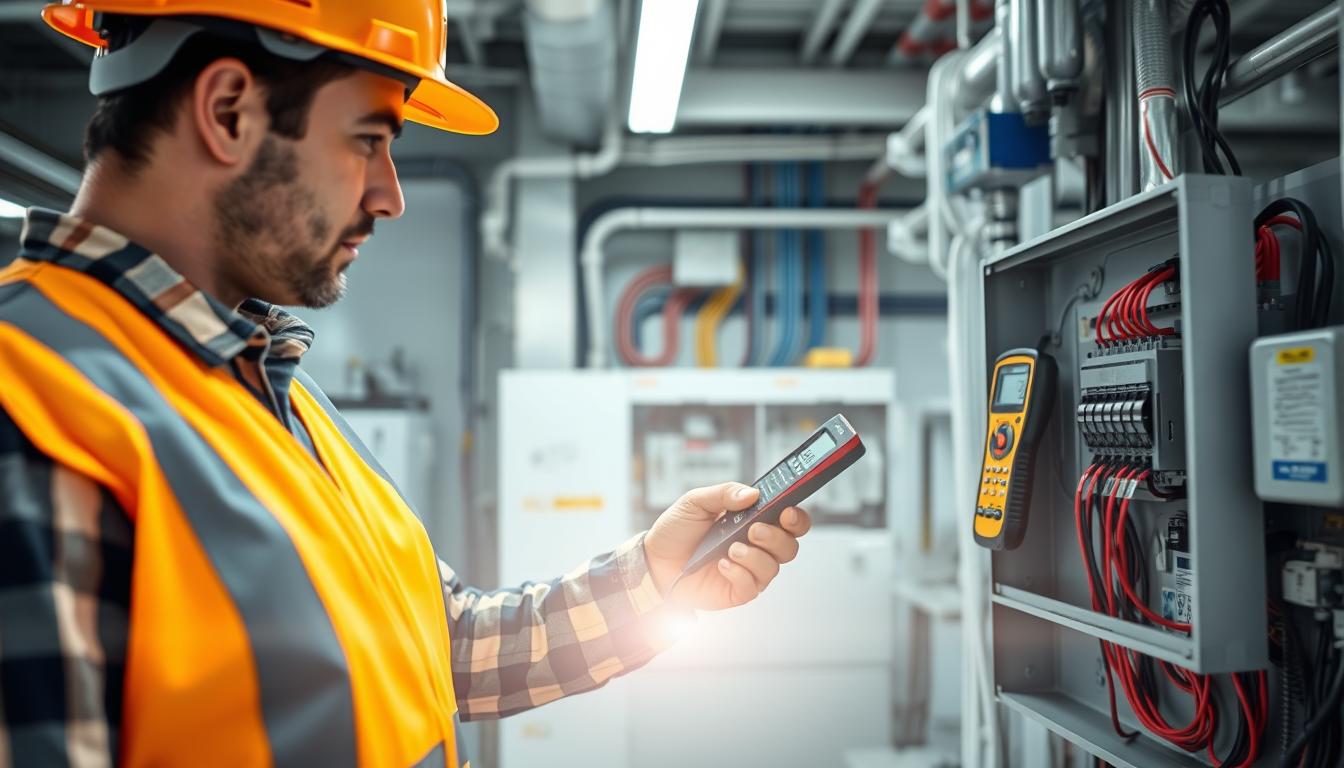
During an EIC Electrical Inspection, a qualified electrician will assess the condition of your electrical installation. They will identify any potential issues or defects. The inspection will result in an Electrical Installation Condition Report. This report will detail the condition of your electrical installation and recommend any necessary repairs or improvements.

The EIC Electrical Inspection is a thorough assessment of your electrical installation, providing you with a clear understanding of its condition and any necessary actions to ensure safety and compliance.

By understanding what to expect during the inspection process, you can be better prepared. This will help alleviate any concerns you may have.

Why Choose 24 Emergency Electrical Services for EIC Inspections?

At 24 Emergency Electrical Services, we’re all about top-notch EIC Electrical Inspections across the UK. Our team works hard to give you detailed and trustworthy electrical tests. We make sure your electrical systems are safe and sound.

Quality and Safety Commitment

We’re all about quality and safety. Our skilled technicians do thorough electrical safety checks. We focus on you, making sure you’re comfortable and informed every step of the way.

Experienced Technicians

Our team is ready to handle your electrical testing needs. You can relax knowing your electrical systems are in good hands.

Want to know more or book an EIC Electrical Inspection? Call us at 07378 250371 or email sales@24emergencyelectricalservices.co.uk. We’re excited to help with your electrical safety and testing needs.

FAQ

Q: What is an EIC Electrical Inspection?

A: An EIC Electrical Inspection checks if your electrical system is safe and meets standards. It involves testing fixed wires and circuits to spot any dangers.

Q: Why are EIC Electrical Inspections necessary?

A: They prevent electrical accidents and keep systems working well for longer. They also give a detailed report on your electrical system’s health.

Q: How often should I schedule an EIC Electrical Inspection?

A: How often you need an inspection depends on your system’s age and condition. If you notice issues like flickering lights, it’s time for a check.

Q: What is an Electrical Installation Condition Report?

A: It’s a report that shows your electrical system’s condition. It points out any problems or dangers found during a thorough inspection.

Q: What are the benefits of EIC Electrical Inspections?

A: They ensure your safety, improve efficiency, cut down on maintenance costs, and meet standards. They offer detailed electrical testing services.

Q: What can I expect during an EIC Electrical Inspection?

A: Our skilled technicians will check your electrical system thoroughly. They’ll test fixed wires and circuits to find any hazards and give you a detailed report.

Q: How do EIC Electrical Inspections ensure compliance with regulatory standards?

A: They check your electrical wiring, circuits, and components. They find any defects or dangers that don’t meet standards.

Q: Can EIC Electrical Inspections help reduce maintenance costs?

A: Yes, regular inspections can save you money. They spot problems early, so you can fix them quickly and avoid expensive repairs later.

Top Benefits of Upgrading Your Fusebox with a Certified Electrician

In the United Kingdom, many homes still have old fuseboxes. These pose a big risk to homeowners. Fusebox Replacement is key to keeping your home safe and efficient.

fusebox replacement​

A certified electrician can upgrade you to a modern, safer fusebox. This brings many benefits, like better safety and efficiency. It’s a smart investment in your home’s electrical system.

Upgrading your fusebox means a more reliable and safe electrical supply. It lowers the chance of electrical fires and other dangers.

Key Takeaways

  • Enhanced safety features with a modern fusebox
  • Increased efficiency of your home’s electrical system
  • Reduced risk of electrical fires and hazards
  • A more reliable and secure electrical supply
  • Compliance with current electrical standards

Understanding Fusebox Replacement

Knowing when to replace a fusebox is key for keeping homes safe. A fusebox, or consumer unit, is crucial for a home’s electrical system. It distributes power and acts as a safety net against electrical overloads.

What is a Fusebox?

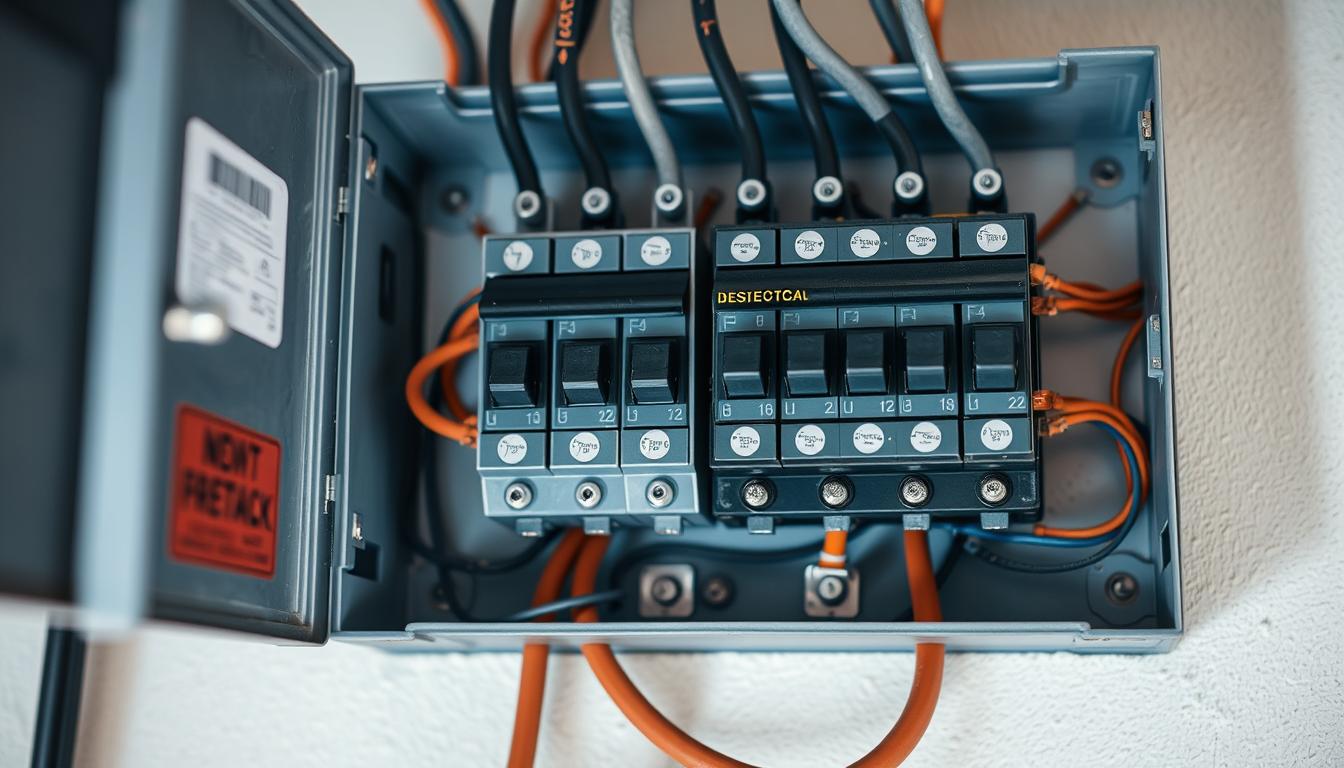
A fusebox is the core of a home’s electrical system. It holds the fuses or circuit breakers that manage power to different areas. As time goes by, fuseboxes can become outdated, posing safety risks.

fusebox replacement

Why Upgrade Your Fusebox?

Fusebox Replacement brings many benefits. It improves safety and boosts electrical capacity. Modern fuseboxes come with better safety features, like RCD (Residual Current Device) protection. This greatly lowers the risk of electrical shock.

Feature Old Fusebox New Fusebox
Safety Features Limited, often outdated Advanced, including RCD protection
Electrical Capacity Lower, potentially inadequate for modern needs Higher, supporting increased electrical demands
Maintenance Often more difficult Easier, with clearer indicators of issues

Switching to a modern fusebox enhances safety and reduces fire risks. It also allows homes to handle the higher electrical needs of today’s lifestyle.

Benefits of Upgrading

Upgrading your fusebox brings many benefits. It adds safety features and boosts electrical capacity. Modern fuseboxes use circuit breaker replacement to cut down fire risks and other dangers.

Enhanced Safety Features

Upgrading your fusebox means better safety. It comes with advanced safety tech, like fuse box repair, to protect your home. This ensures your electrical system can handle today’s appliances safely.

circuit breaker replacement

Increased Efficiency

A new fusebox makes your home’s electrical system more efficient. It saves you money on bills. It also handles the power needs of modern gadgets better, avoiding overheating.

Improved Electrical Capacity

Upgrading your fusebox also means more power for your home. It’s great for homes with lots of electrical needs or new equipment. You get the power you need without overloading your system.

Choosing a Certified Electrician

Upgrading your fusebox needs a certified electrician. They ensure the work is safe and efficient.

A certified electrician has the skills for electrical fuse box replacement. They can spot and fix problems.

Certification Matters

Certification shows an electrician’s skill and follows industry standards. It means they’ve had the right training and can do the job safely.

Choosing a certified electrician gives homeowners peace of mind. It means the electrician knows the latest rules and practices, including fuse box maintenance.

Selecting the Right Professional

Homeowners should pick certified electricians from trusted organizations. It’s also important to check their experience with fusebox upgrades.

Consider these factors:

  • Certification from recognized industry bodies
  • Experience with electrical fuse box replacement
  • Positive customer reviews and testimonials
  • A comprehensive warranty for their work

By focusing on these, homeowners can get a safe and efficient fusebox upgrade.

Conclusion: Investing in Your Electrical Future

Upgrading your fusebox is crucial for your home’s safety and efficiency. At 24 Emergency Electrical Services, we know how important a reliable electrical system is. We’re here to assist you.

Reliable fusebox replacement Services

Our certified electricians offer top-notch fusebox replacement services across the United Kingdom. We make sure your upgrade is safe and done right. This gives you peace of mind.

Get in Touch

If you need fusebox replacement services, contact us. Call 07378 250371 or email sales@24emergencyelectricalservices.co.uk. We’re ready to help the UK, making our services available to those who need them.

FAQ

Q: What are the signs that indicate I need a fusebox replacement?

A: You might need a new fusebox if it keeps tripping, smells like burning, or is old. It should also meet today’s safety standards.

Q: Can I replace my fusebox myself, or do I need a certified electrician?

A: We advise against DIY fusebox replacement. It’s complex and risky. Instead, hire a certified electrician for a safe and proper job.

Q: What is the difference between a fusebox and a consumer unit?

A: ‘Fusebox’ and ‘consumer unit’ mean the same thing in your home’s electrical system. Modern units have circuit breakers and RCDs for better safety.

Q: How long does a fusebox replacement typically take?

A: Replacing a fusebox usually takes a few hours. It depends on the job’s complexity and your electrical system’s needs.

Q: Will upgrading my fusebox increase my electrical capacity?

A: Yes, upgrading can boost your electrical capacity. This lets you safely power more devices and appliances.

Q: How often should I have my fusebox maintained?

A: Regular checks are key. We suggest inspections every 5-10 years to keep your fusebox working well.

Q: Can I upgrade my fusebox to include additional safety features?

A: Yes, we can add features like RCDs and circuit breakers. These reduce electrical shock and fire risks.

Q: What is the cost of fusebox replacement?

A: Replacement costs vary based on your system, job complexity, and materials. We offer fair prices and detailed quotes.

Call Now
Get a Quote